


Our terroirs
Located at the crossroads between Bas Armagnac and Ténarèze, Domaine Haut Marin stretches along the famous Via Podensis, a historic road travelled for centuries by pilgrims on their way to Santiago de Compostela.
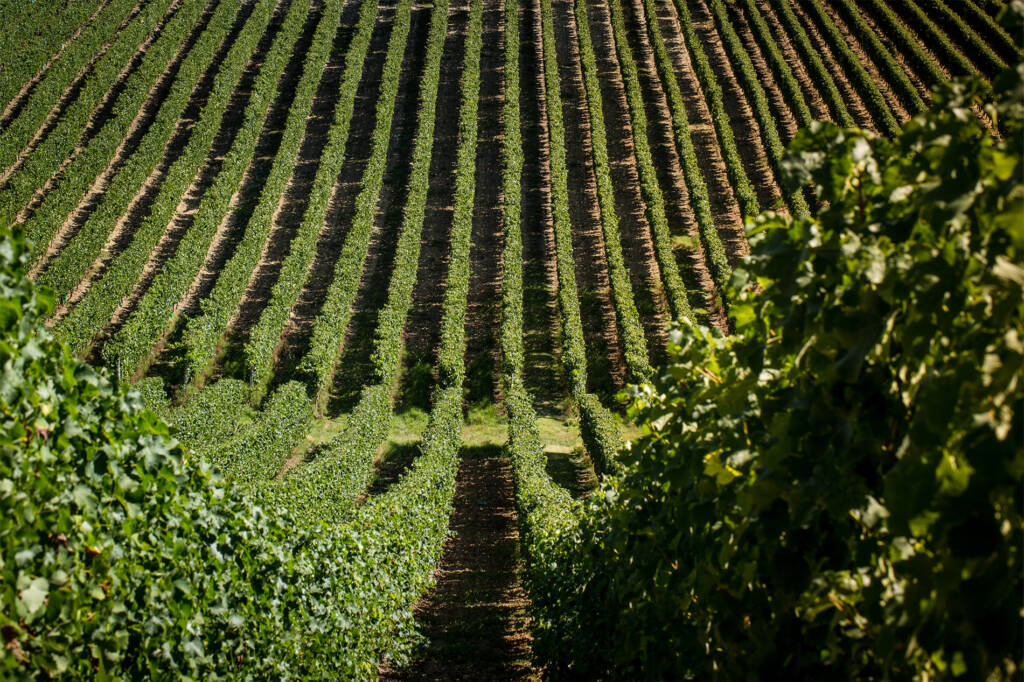
Set in the enchanting landscape of Gascony, our estate covers 160 hectares dedicated exclusively to the Côtes de Gascogne appellation and the Bas-Armagnac PDO. The terroir of our plots is rooted in a rich marine geological past, dating back 23 million years when the region was submerged by the sea, as evidenced by the numerous marine fossils discovered at the foot of our vineyards in Gondrin.
The Haut-Marin estate benefits from a diversity of soils that contributes to the production of exceptional wines. Our shallow, stony clay-limestone soils are home to Colombard, Ugni Blanc and Sauvignon vines, producing dry white wines with remarkable liveliness.
The deep golden sands of the estate are home to our Petit and Gros Manseng grape varieties, harvested when overripe to produce sweet wines of exceptional finesse.
As for our deep clay soils, they are perfectly suited to growing our red grape varieties, which thrive here, developing a roundness and depth that is unique to Gascony.
Discover Domaine Haut Marin, where each wine is a faithful expression of our unique terroir, and each bottle an invitation to explore the richness of our wine-growing heritage.
Nature conservation
Elisabeth Prataviera is a fervent defender of nature, which is clearly reflected in her deep commitment to environmental conservation. Her passion for nature motivated her to adopt environmentally friendly farming practices, leading to the estate’s HVE (High Environmental Value) certification in 2017. Cette certification témoigne de son engagement à minimiser l’impact environnemental des activités viticoles.